Pregnancy Calculator: Due Date
- 4.8
- Rating
- 1.00M
- Installs
- Free
- Price

 Analysis by App-foxy
I approached Pregnancy Calculator: Due Date as a practical planning tool rather than a replacement for medical care. That distinction matters. Pregnancy dates can be reassuring when they help organize appointments, prepare questions, or give a rough sense of what stage is ahead, but an app cannot examine you or interpret symptoms. In my experience, this one makes the most sense for someone who wants a simple pregnancy timeline close at hand, especially during the early weeks when every date feels important.
The app sits in the parenting category and is developed by DictionaryAndTranslator. It is free to install, available to everyone by its content rating, and has reached more than a million installs. Its average rating is 4.8 from roughly seventeen thousand ratings, which suggests that many people find the basic idea useful. I would still treat popularity as a reason to investigate, not as proof that every calculation or screen will suit every pregnancy.
What the calculator is really useful for
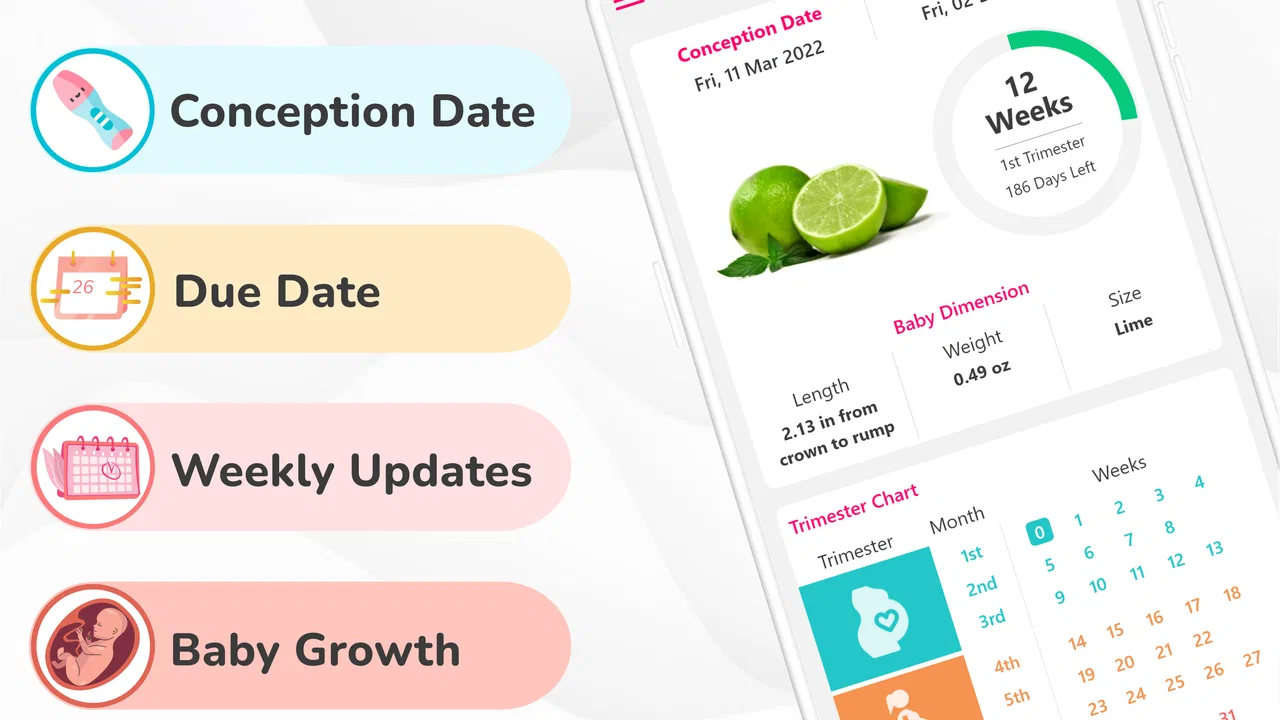
The central job is straightforward: use pregnancy information to estimate a due date and follow the pregnancy week by week. That focus is its strongest point. Instead of asking a user to build a spreadsheet or search through several articles, it puts the date calculation in a dedicated parenting app. For a first-time parent, that can reduce the small but persistent mental load of figuring out which week comes next.
You May Also Like

 Blood Strike: 2.5 Anniversary
Blood Strike’s Loadouts Turn Every Drop Into a Tactical Gamble
A close look at Blood Strike’s custom loadouts: how fast access to signature weapons reshapes its battle royale rhythm, rewards preparation, and narrows the gap between fights.

 Pandora - Music & Podcasts
Pandora’s Music Is Easy to Start, but Harder to Recover
Pandora’s strength is its low-effort path from a seed to a station. Its weak spot is how much confidence it asks you to place in connection, setup, and quiet recovery.

 8 Ball Pool
 Is Built on Rivalries, Rematches, and Routine
A close look at the rivalries, rematches, shared routines, and unanswered safety questions that turn a quick pool match into a persistent mobile community.

 Samsung Music
’s Quiet Strength Is Playing What You Already Own
Its reach comes less from spectacle than from dependable access to a personal library. That simplicity is both the app’s strongest retention engine and its ceiling.

 AccuWeather: Weather Radar
AccuWeather Review: A Quick, Clear Forecast for Everyday Decisions
For everyday plans, the best forecast is the one you can understand quickly. AccuWeather makes rain timing, radar, and local conditions easy to act on, with a few trade-offs.

 Hill Climb Racing
Why Hill Climb Racing Still Turns Crashes Into One More Run
A tiny car, a bumpy hill and one more upgrade: Hill Climb Racing keeps resurfacing because its simple chaos makes every near-miss feel personal.
More From Our News Desk



A realistic use case is a person who has just received a positive test and wants an initial date before speaking with a clinician. I would enter the relevant information carefully, save the result in a way that is easy to revisit, and use the displayed week as a conversation starter at the first appointment. Later, the same screen can help when someone asks, “How far along are you?” without requiring a fresh calculation each time.
The week-by-week approach is also useful for planning conversations. I might check the current stage before writing down questions about an appointment, preparing a partner for what the next few weeks may involve, or organizing a general list of things to discuss with a midwife or doctor. The value is not that the app knows what will happen to my body; the value is that it gives me a stable reference point for ordinary planning.
One practical habit makes the result more useful: I would record the date and information used for the calculation in my personal notes. That creates a simple audit trail if a healthcare professional later gives a different estimate. It also prevents confusion if I revisit the app after several weeks and cannot remember which date I entered. This is a small workflow improvement, but it matters because pregnancy calculations often change when clinical measurements become available.
Why the starting information deserves care
A due-date calculator is only as sensible as the starting point. If I enter the wrong date, guess from memory, or use a date that does not match the method my clinician uses, the result can look precise while still being only an estimate. I would not rush through the first setup screen just because the app is simple. Checking the calendar twice is more valuable than repeatedly refreshing the result later.
This is also where the app should be viewed differently from a medical record. A clinician may revise an estimated due date after discussing cycle history or using other clinical information. The app’s number is best treated as a planning reference, not a permanent conclusion. If the result conflicts with information from a healthcare professional, I would follow the professional guidance and use the app only for general week tracking.
People with irregular cycles, uncertain dates, fertility treatment, multiple pregnancies, or other circumstances that affect dating should be especially cautious about relying on a basic calculator alone. In those situations, a direct conversation with a qualified professional is more valuable than a neat date on a phone screen. This is one of the clearest cases where a richer medical service or clinician-led tool is the better alternative.
Trust begins with what the app does not pretend to be
I appreciate the narrow purpose here because it makes the app easier to judge. It is presented as a pregnancy calculator, not as a complete prenatal care platform. That means I would not expect it to replace appointment reminders, symptom triage, medical records, or personalized advice. Keeping those boundaries in mind prevents a common mistake: treating a convenient date display as if it were a full health assessment.
The developer is identified as DictionaryAndTranslator, and the current version is 24.6.53. The app has been available since June 13, 2018, so it is not a brand-new listing. Those details help establish context, but they do not answer every trust question a privacy-conscious user may have. I would still read the app’s permission prompts and any privacy information shown on the device or store page before entering sensitive pregnancy details.
That caution is not a criticism of the calculator’s purpose. Pregnancy information is personal, and even a simple date can reveal a great deal about someone’s health and family plans. My rule would be simple: provide only what the app actually asks for, avoid adding identifying details unless they are necessary, and review the screen before confirming anything. If a permission request appears unrelated to calculating or viewing dates, I would pause rather than approve it automatically.
Visible choices matter more than reassuring language
When I assess an app like this, I look for moments where I can make an informed choice. Can I understand what information is being requested? Can I avoid entering details that do not affect the calculation? Can I decide whether the app belongs on my phone after trying it? These are more useful questions than assuming a simple interface is automatically private.
Because the app is free, I would also pay attention to any optional purchase screen. The listed in-app purchase range runs from ninety-nine cents to ninety-nine dollars and ninety-nine cents per item. That does not by itself tell me what each purchase contains, so I would read the wording carefully before confirming anything. A free download is not the same as an obligation to buy, and I would not enter payment details simply to obtain the basic date calculation unless the screen clearly explained the benefit.
For a shared family device, user control becomes even more important. I would avoid leaving the calculated date visible if other people can open the phone, and I would use the device’s normal screen lock and account controls. I would also be careful when showing the app to a partner or relative, since a pregnancy timeline is not information that everyone needs to see. The app can be useful in a family setting without making the information public within that family.
How I would use it without overtrusting it
My preferred workflow would take only a few deliberate steps. First, I would gather the date or other information needed before opening the calculator. Second, I would enter it slowly and check the output against my own notes. Third, I would save the result privately and use it as an estimate. Finally, I would bring any disagreement or concern to a healthcare professional rather than trying different entries until the result matches what I hoped to see.
That last point is important. A calculator can tempt users to experiment with dates to produce a preferred week or due date. I would resist that. The app is most helpful when it reflects the best information I have, not when it is used as a guessing game. If I am unsure which date applies, the right next step is to ask a clinician or review reliable medical guidance, not to choose the most convenient result.
Another useful habit is to separate planning from decision-making. I might use the app to estimate when to prepare questions, arrange general purchases, or tell a partner what stage I am expecting. I would not use it to decide whether a symptom is normal, whether an appointment can be skipped, or whether urgent care is unnecessary. Those decisions require context that a date calculator cannot provide.
I would also take screenshots only if I had a secure reason to do so. Screenshots can be handy when preparing for an appointment, but they may appear in photo backups or shared galleries. A private note written in a protected location may be safer for some users. This is not an app feature; it is a practical way to reduce accidental exposure when handling sensitive information on a phone.
Where it compares well with ordinary alternatives
The usual alternative is a web search for a due-date calculator. A browser tool can be quicker when I need a one-time estimate and do not want another app installed. It may also be preferable on a shared or low-storage device. The advantage of this dedicated app is convenience: once available, it keeps the pregnancy calculation in a familiar place instead of making me search again.
A calendar app is another alternative. I could manually mark an estimated due date and count weeks myself, but that approach is easy to mishandle. The dedicated calculator is better for someone who wants the pregnancy week presented directly rather than maintaining a set of manual calendar entries. On the other hand, a calendar remains better for appointments, reminders, partner coordination, and broader planning because it is designed around events rather than pregnancy calculations.
Medical portals and clinician-provided tools are stronger when accuracy, records, and personal context matter most. They can fit into care more naturally, especially when an estimated date has been revised. I would choose one of those options over this app if I needed a documented clinical timeline or advice tied to my health history. The calculator is most suitable for general orientation between appointments, not for becoming the official source of truth.
There is also a trade-off between focus and breadth. A narrow calculator can feel less overwhelming than a large pregnancy app filled with articles, trackers, notifications, and community features. That simplicity may appeal to someone who wants one task and little distraction. However, users looking for feeding logs, appointment management, symptom journals, or structured educational material will probably need another app or service alongside it.
Small points of friction I would keep in mind
The biggest limitation is the unavoidable uncertainty of an estimated due date. A clean result can create false confidence, particularly for someone who expects the app to account for every individual circumstance. I would prefer to see the number as a starting estimate and keep the wording in my own notes equally cautious. The app’s usefulness decreases sharply when a user wants personalized interpretation rather than calculation.
The free model may also require attention at the moment an optional purchase is presented. Since individual items can cost as much as ninety-nine dollars and ninety-nine cents, I would check the purchase description and confirmation screen instead of assuming that every visible feature is included. Families sharing a device should use the operating system’s purchase authentication, especially if a child can access the phone.
Another possible friction is emotional rather than technical. Pregnancy dates can make time feel very concrete, and seeing a week number may increase anxiety for someone already worried about development or timing. If checking the app repeatedly becomes stressful, I would stop using it between appointments. A tool intended to organize thoughts should not become a source of constant reassurance-seeking.
The Everyone rating makes the app broadly accessible, but it should not be confused with medical suitability for every situation. An age label describes audience access, not clinical depth. I would explain that distinction to a younger user or family member who assumes that an accessible app must also provide complete health guidance.
Who will get the most from it
I think this app is a good fit for someone who wants a direct pregnancy week calculator, prefers a dedicated mobile tool over repeated web searches, and can treat the result as an estimate. It may be particularly convenient during the early stage of pregnancy, when a person is collecting dates and preparing for the first conversations with a healthcare professional.
It can also help a partner or support person understand the same timeline, provided the pregnant person chooses to share it. Used thoughtfully, the app gives both people a common reference for planning a conversation or noting an upcoming stage. I would avoid turning that shared reference into pressure, though. The estimated date should support communication, not create expectations about exactly when events must happen.
I would skip it if I wanted a full prenatal companion, a secure clinical record, symptom evaluation, or detailed personalized guidance. I would also skip it if I was uncomfortable entering pregnancy-related information into a general-purpose app and preferred a clinician’s portal or a browser tool used without saving anything. Those are reasonable preferences, not signs that the calculator is failing.
My cautious verdict
After looking at its purpose, controls, and practical limits, I see Pregnancy Calculator: Due Date as a focused convenience rather than a complete pregnancy solution. Its strengths are the clear week-by-week orientation, the low barrier of a free installation, and the ability to keep a basic estimate available on a phone. Its weaknesses come from the same simplicity: it cannot replace clinical dating, personal advice, or the wider organization features found in medical portals and comprehensive pregnancy apps.
My recommendation is to use it as a private planning aid, not as a medical authority. Enter information carefully, check any permission or purchase prompt, protect the result on shared devices, and compare the estimate with professional guidance when available. If that limited role matches what you need, the app is a sensible option. If you need records, care coordination, or answers about symptoms, I would choose a healthcare service instead and leave this calculator in a supporting role.
That balance is why I would recommend it to a friend with clear expectations. It can make an everyday question easier to answer and reduce the effort of tracking a pregnancy week. It cannot make an uncertain date certain, and it should never be used to make a health decision alone. Used with that boundary in mind, it offers a straightforward way to keep a pregnancy estimate organized while leaving the important judgments where they belong: with the user and qualified medical professionals.
FAQs for Pregnancy Calculator: Due Date
01What features does the Pregnancy Calculator: Due Date app offer?
The Pregnancy Calculator: Due Date app provides users with various features, including due date prediction, a pregnancy tracker, weekly updates on fetal development, and health tips for expecting mothers. It also includes a calendar for appointments, a kick counter, and a contraction timer, making it a comprehensive tool for pregnancy management.
02How accurate is the due date prediction in the app?
The due date prediction in the Pregnancy Calculator: Due Date app is based on standard medical guidelines, utilizing the first day of your last menstrual period and average cycle length. While typically accurate, it's important to remember that due dates are estimates and can vary. Always consult with your healthcare provider for personalized advice.
03Is the Pregnancy Calculator: Due Date app free to use?
The basic version of the Pregnancy Calculator: Due Date app is free to use, offering essential features like due date calculation and weekly pregnancy updates. However, there may be in-app purchases or a premium version available, providing additional features such as personalized health advice and advanced tracking options.
04Can I use the app if I have an irregular menstrual cycle?
Yes, the Pregnancy Calculator: Due Date app accommodates users with irregular menstrual cycles. You can manually input your cycle length to improve the accuracy of the due date prediction. However, for those with significantly irregular cycles, consulting with a healthcare professional is recommended for the most accurate assessment.
05Is my personal information secure in the Pregnancy Calculator: Due Date app?
The Pregnancy Calculator: Due Date app prioritizes user privacy and data security. It typically uses encryption protocols to protect your information. However, it's crucial to review the app’s privacy policy to understand how your data will be used and ensure it aligns with your privacy expectations.
Pros
- Simple and user-friendly interface.
- Accurate due date predictions.
- Includes weekly pregnancy tips.
- Customizable reminders for appointments.
- Supports multiple pregnancy tracking.
Cons
- Limited customization for settings.
- Ads can be intrusive at times.
- No integration with other health apps.
- Lacks detailed nutritional advice.
- Requires internet for some features.

Pregnancy Calculator: Due Date
Gallery